Rules, Hazards, and Lifesaving Tips
Swimming pools are meant to be fun, refreshing, and a great place for fitness — but beneath the calm blue water can lie serious dangers. Drowning is one of the leading causes of accidental death worldwide, and swimming pools are a common setting for these tragedies.
The good news? Drowning is preventable when swimmers, parents, facility managers, and lifeguards work together to make safety a top priority.
This guide will cover:
- The importance of drowning prevention
- Proven safety measures
- Standard swimming pool rules
- Commonly overlooked hazards that can lead to accidents
Standard Swimming Pool Rules
While every pool may have its own set, these are the core rules followed worldwide:
- No Running on the Pool Deck – Wet surfaces are slippery and can cause falls.
- No Diving in Shallow Water – Prevents head, neck, and spinal injuries.
- Supervise Children at All Times – Even if a lifeguard is present.
- No Rough Play or Pushing – Reduces the risk of unintentional drowning.
- Shower Before Entering – Keeps water clean and reduces bacterial spread.
- No Glass Containers – Prevents injury from broken glass.
- Use Swimwear Made for Pools – Street clothes can carry contaminants and cause drag.
- Obey Lifeguard Instructions Immediately – Their directions keep everyone safe.
- No Alcohol or Drugs While Swimming – Impairs judgment, balance, and coordination.
- Exit the Pool During Storms – Lightning can strike water directly.
Key Strategies for Drowning Prevention
1. Supervision Comes First
- Always swim under the watch of a trained lifeguard where possible.
- For children, use touch supervision — stay within arm’s reach.
- Avoid distractions like phones when supervising swimmers.
2. Learn and Maintain Swimming Skills
- Formal swimming lessons improve safety and confidence.
- Practice essential survival skills: floating, treading water, and safe breathing.
- Teach children not only how to swim, but also how to get out of the pool safely.
3. Use Barriers and Safety Equipment
- Install 4-sided pool fencing with a self-closing, self-latching gate.
- Use pool covers and surface alarms when the pool is not in use.
- Keep lifesaving equipment (pole, ring buoy, rope) visible and accessible.
4. Enforce and Follow Pool Rules
- Rules exist for a reason — they protect both swimmers and lifeguards.
- Post them in clear view and make sure everyone understands them.
Commonly Overlooked Hazards in Swimming Pools
Even with rules in place, certain risks often go unnoticed until an incident happens.
1. Drains and Suction Entrapment
- Powerful pool drains can trap hair, clothing, or limbs.
- Always use anti-entrapment drain covers and teach children to avoid sitting near drains.
2. Overcrowding
- Too many swimmers make supervision harder and increase the risk of unnoticed distress.
- Lifeguards should monitor and control bather load.
3. Fatigue
- Swimmers, especially kids, can tire quickly without realizing it.
- Encourage regular rest breaks and hydration.
4. Illness and Medical Conditions
- Seizures, heart conditions, or fainting spells can happen unexpectedly.
- Those with medical concerns should inform lifeguards and never swim alone.
5. Slippery Decks and Ladders
- Falls outside the water can cause head injuries leading to drowning once in the pool.
- Keep surfaces clean and ensure ladders are stable.
6. Toys and Inflatables
- Large pool floats can block a lifeguard’s view and give non-swimmers false confidence.
- Use them sparingly and always under supervision.
7. Poor Lighting
Pools should be well-lit, especially during evening use.
Dim or uneven lighting makes it harder to spot a struggling swimmer.
Emergency Response Steps
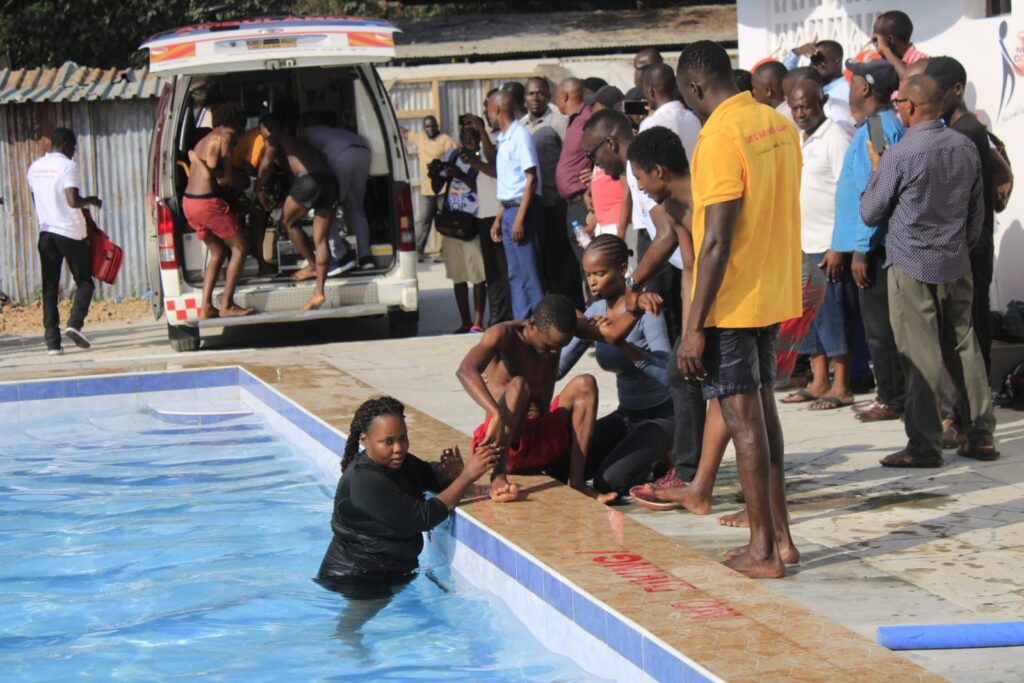
If you spot someone in trouble:
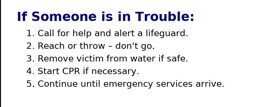
- Call for help and alert a lifeguard immediately.
- Reach or throw, don’t go — use a pole, rope, or buoy.
- If the person is unconscious, remove them from the water and begin CPR.
- Continue care until emergency services arrive.
Final Thoughts
Swimming pools can be safe, enjoyable spaces when everyone follows the rules and stays alert. By understanding risks, enforcing good practices, and recognizing overlooked hazards, we can reduce drownings dramatically.
Remember: Safety isn’t about spoiling the fun — it’s about making sure the fun never stops.
“Be the Reason Someone Gets Home Safe”
Join Lifesaving Cadets and turn your swimming skills into lifesaving action. Train with us, volunteer for safety campaigns, or partner with our programs to make every pool and beach a drowning-free zone. Your commitment today can save a life tomorrow. JOIN TODAY