Lifesaving Cadets
  • Home
  • About
  • Events
  • Blog
  • Courses
    • Life Saving Course
    • Scuba Diving
    • Coxswain
  • Drowning Prevention
    • Beach Safety
    • Swimming Pool Safety
  • Contact Us

MV Dragon Drowning Incident

MV Dragon Drowning Incident
Spread safety
     

A Lifeguard Perspective on Search, Recovery, and Prevention

Published by Life Saving Cadets – October 2025

A Festival Turned Tragic

What began as a joyful celebration of the East African Ocean Festival on Friday, October 10, 2025, ended in tragedy when a dragon boat carrying 22 participants capsized at Tudor Water Sports, Mombasa.

Nineteen participants were rescued alive, but three went missing, triggering an intense, multi-agency search and recovery operation that lasted through the weekend.

As Lifesaving Cadets, we joined forces with Old Town BMU and worked alongside the Kenya Navy, Kenya Coast Guard Service, Mombasa County Fire and Rescue, Kenya Red Cross and other agencies each putting in their best effort. Through determination and teamwork, we successfully recovered all three bodies, bringing closure to the grieving families.

🛟 The Dynamics of a Drowning Emergency

From a lifeguard expert’s viewpoint, such incidents rarely have a single cause — they unfold as a chain of small but critical failures.

“It’s not just the waves that kill — it’s the seconds lost before help arrives.”

In the tragedy, witnesses reported that some participants were not wearing lifejackets during the race, even though they had used them in training.
Once the boat capsized, panic, cold shock, and disorientation quickly turned the situation deadly.

Even experienced swimmers can succumb within minutes if they inhale water, lose orientation, or are pulled under by others in distress.

The Realities of Ocean Search Operations

Once a person submerges, time becomes the enemy. Rescue transitions to recovery faster than most imagine.

Our experience during this operation revealed several truths about underwater recovery:

  • Low visibility: The strong tidal currents at Tudor Creek stirred the seabed, turning water murky and reducing visibility to less than a meter.
  • Unsettling currents: The Creek’s connection to the open sea meant continuous water movement, capable of carrying victims away from the original site.
  • Limited equipment: Volunteer teams often operate without full diving gear — lacking sonar, underwater lights, and proper breathing systems.
  • Physical and mental fatigue: Extended dives in harsh conditions take a toll; divers must rotate frequently to stay safe.
  • Coordination challenges: Managing multiple teams (Navy, Coast Guard, BMUs, and volunteers) requires structured communication and shared discipline.

Despite these obstacles, our joint team recovered all three bodies, relying on teamwork, endurance, and careful coordination.

Recognizing Danger & Responding Early

A key lifesaving principle is early recognition — identifying a hazard before it escalates.
Preventive vigilance can save more lives than even the best rescue operation.

Key prevention takeaways:

  1. Enforce safety protocols — ensure all event participants wear lifejackets at all times.
  2. Maintain standby rescue teams during water events for immediate intervention.
  3. Train teams in swift response — seconds matter when a vessel capsizes.
  4. Conduct pre-event safety briefings — help participants understand risks, conditions, and signals.
  5. Equip lifeguards and divers with communication tools and rapid-deployment craft.

“Every water event must have a safety team as essential as the competitors themselves.”

Complexities of Underwater Recovery

Recovering a body underwater is one of the most delicate tasks in lifesaving.
Bodies may sink, drift, or remain trapped under debris or vegetation. Depending on temperature and current, they can resurface after hours or days.

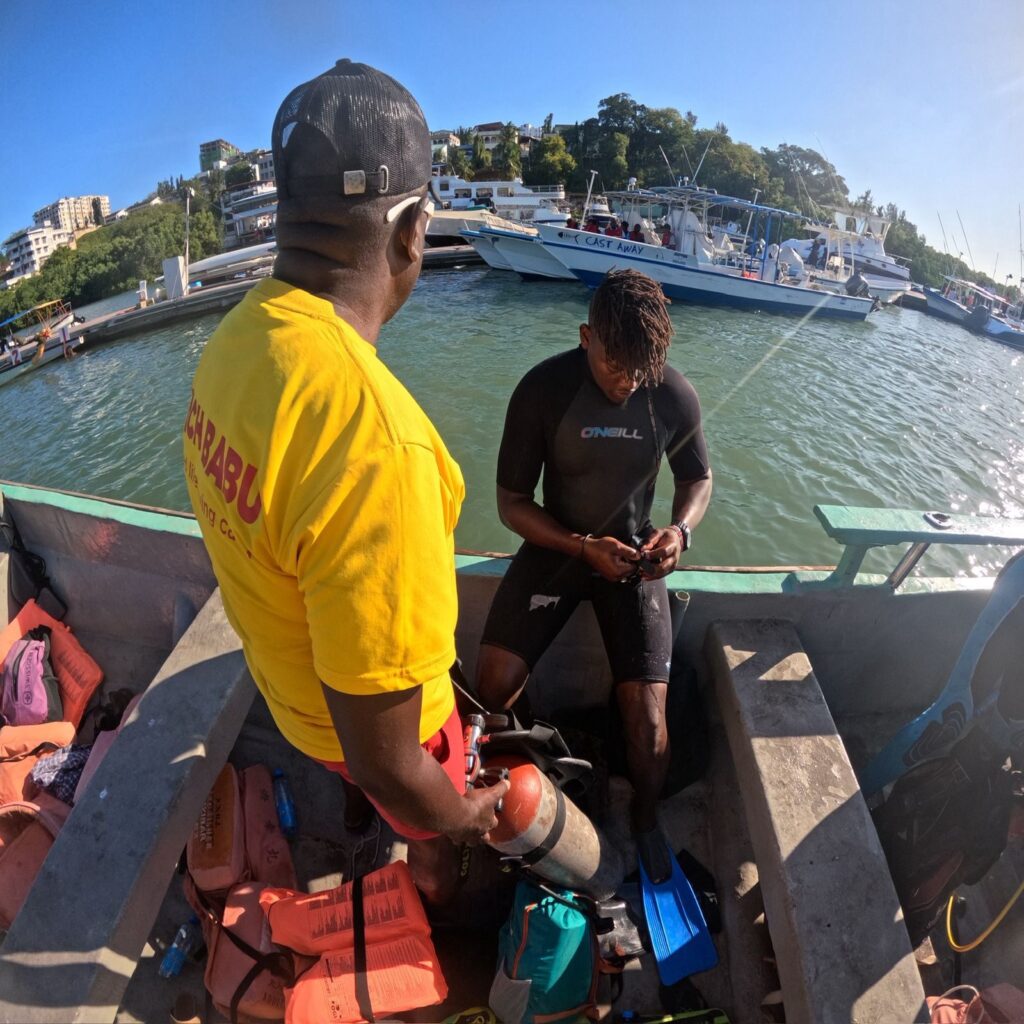
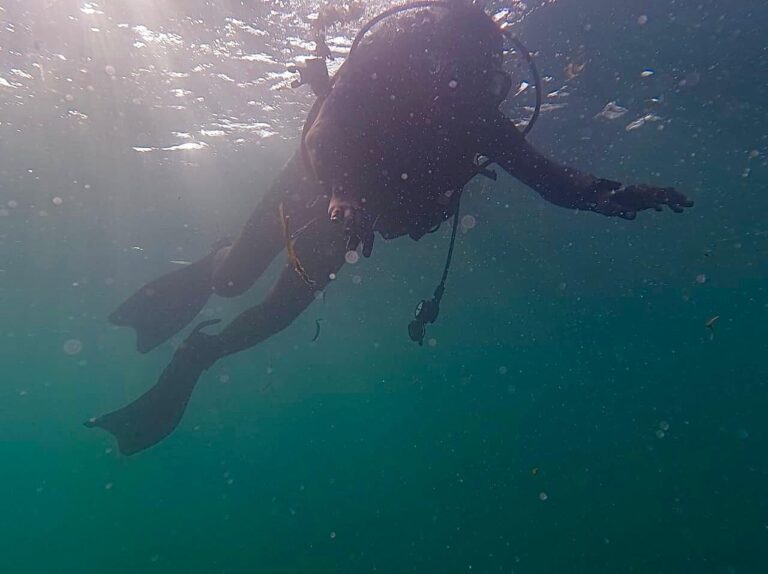
At Tudor Creek, our team relied on manual grid searches, rope-guided dives, and physical sensing — sometimes feeling more than seeing.
Each dive demanded patience and courage, being mindful of other possible hazards under water.

Leadership and Solidarity

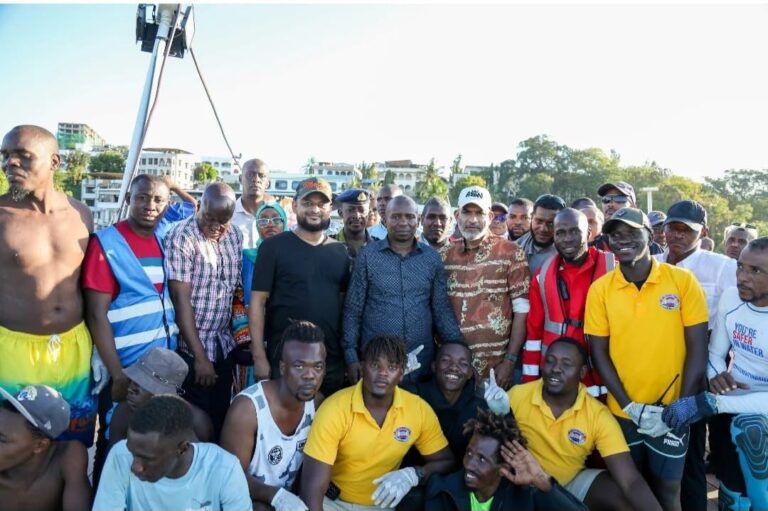
After rescue group photo

Leadership and Solidarity

After rescue group photo

On Sunday evening, after the first body was recovered, Deputy President Prof. Kithure Kindiki visited the site to condole with families and commend rescuers.
He acknowledged the selfless service of all involved and assured families of government support.

His visit was a moment of unity, reflecting national appreciation for the volunteers and professionals who braved the ocean to bring closure to the tragedy.

Reflections and Lessons Learned

From this tragedy, several lessons stand out for Kenya’s growing water sports and coastal communities:

  • Prevention is paramount — enforce use of certified personal flotation devices (PFDs).
  • Preparedness matters — establish structured lifesaving presence at every water event.
  • Invest in rescue equipment — sonar, underwater communication, and lighting save time and lives.
  • Train and empower volunteers — local teams like Lifesaving Cadets and BMUs are the first responders in real emergencies.
  • Provide post-incident support — both rescuers and victims’ families need counseling and debriefing.

In Memory and in Purpose

“We extend our heartfelt condolences to the families affected and our gratitude to every hand that joined the search”

Life Saving Cadets remains committed to strengthening Kenya’s water safety culture.
We encourage partnerships with institutions, event organizers, and local authorities to provide training, improve rescue preparedness, and lifesaving capacity building across coastal communities.

📩 Get in touch:
👉 info@lifesavingcadets.org
👉 Follow us on Facebook | Instagram: lifesavingcadets001 | lifesavingcadets.org

Spread safety
     
Previous articleWhy Every School Swimming Pool in Kenya Needs a Trained LifeguardNext article Royal Caribbean Lifeguard Application Process — C-TRAC Registration GuideCruise Ship

7 comments

Khalid says:
October 14, 2025 at 8:03 am

Wonderful ❤️

Reply
Nancy says:
October 14, 2025 at 8:16 am

Good job❤️

Reply
Imran says:
October 14, 2025 at 8:54 am

Good team work cadets

Reply
Mbithi says:
October 14, 2025 at 1:56 pm

This interesting and wonderful. Keep it up Lifesaving Cadets and may the Lord be with you 🙏

Reply
Shania says:
October 14, 2025 at 9:31 am

Very interesting
Good job

Reply
Joyce says:
October 14, 2025 at 10:38 am

Knowledge is health and wealth. Good informs

Reply
Ali Abdalla Ali says:
October 14, 2025 at 1:20 pm

Owe some job

Reply

Leave a Reply Cancel reply

Your email address will not be published. Required fields are marked *

Recent Posts

Royal Caribbean Lifeguard Application Process — C-TRAC Registration GuideNovember 5, 2025
MV Dragon Drowning IncidentOctober 13, 2025
Why Every School Swimming Pool in Kenya Needs a Trained LifeguardSeptember 26, 2025

Categories

  • Community engagement
  • Lifeguard Course
  • Post
  • Uncategorized

Why Train With Us?

At Lifesaving Cadets we focus on quality training and nurturing your skills to prepare you for response to real life drowning incidents.

After the courses you will be enrolled in career mentorship and have access to job opportunities.

Lifesaving Cadets, Creating impact since 2019

Follow us

Social impact

Youth empowerment through education and sustainable socio-economic initiatives

Recent Posts

Royal Caribbean Lifeguard Application Process — C-TRAC Registration GuideNovember 5, 2025
MV Dragon Drowning IncidentOctober 13, 2025
Why Every School Swimming Pool in Kenya Needs a Trained LifeguardSeptember 26, 2025

Categories

  • Community engagement
  • Lifeguard Course
  • Post
  • Uncategorized

VALIDATE CERTIFICATE

https://lifesavingcadets.org/certificates/

WhatsApp-Image-2025-08-07-at-5.38.47-PM

Lifesaving Cadets

Typically replies within minutes

Have a question about our courses?

Contact Us

Online | Privacy policy

Contact us